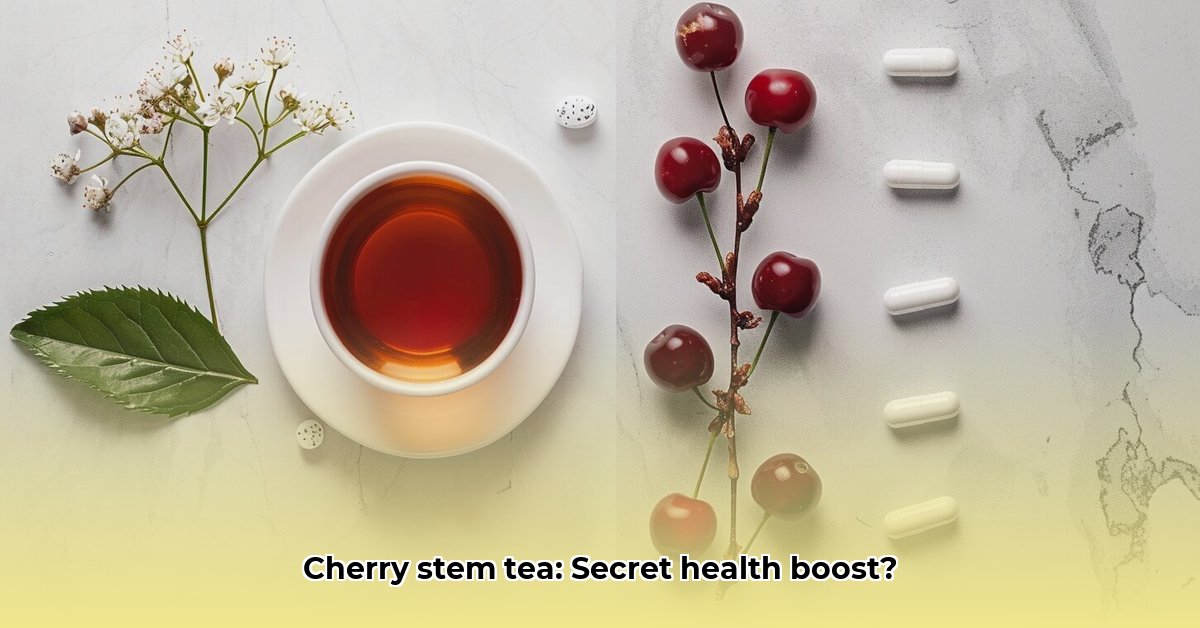
Exploring the Potential of Cherry Stem Tea
Have you heard of cherry stem tea? This beverage, brewed from dried cherry stems, has gained popularity due to purported health benefits, ranging from aiding weight management to supporting kidney function and potentially reducing inflammation. However, it's crucial to approach these claims with a balanced perspective, understanding both the potential advantages and the limitations of current scientific evidence. This article serves as a guide, providing actionable steps for preparing and using cherry stem tea while emphasizing responsible consumption.
Understanding the Potential Benefits
Anecdotal evidence and some preliminary research suggest several potential benefits associated with cherry stem tea:
Diuretic Effect: Cherry stem tea may possess a mild diuretic effect, potentially aiding in fluid loss and, consequently, temporary weight reduction. However, it's vital to remember this is likely limited to water weight. Sustainable weight management necessitates a holistic approach that includes balanced nutrition and regular exercise.
Antioxidant Properties: Cherry stems contain antioxidants—compounds that combat cell damage caused by free radicals. This antioxidant potential could offer protective effects to the kidneys and potentially reduce inflammation. However, extensive research is needed to definitively confirm these possibilities.
Anti-Inflammatory Potential: Limited research indicates that certain compounds in cherry stems might exhibit anti-inflammatory properties. These findings warrant further investigation before concluding any definitive effects on inflammatory conditions.
It's essential to emphasize that the scientific evidence supporting these potential benefits is currently limited. Larger, more rigorous clinical trials are necessary to confirm these claims and establish safe and effective dosages.
What Science Says (and Doesn't Say)
While some preliminary studies suggest potential benefits, robust clinical trials are lacking. Therefore, we must differentiate between promising potential and established fact.
Weight Management: A temporary reduction in water weight is plausible due to the potential diuretic effect. This is not a substitute for a comprehensive weight management strategy.
Kidney Support: The antioxidant content might offer some protective benefits for kidney health, but this remains speculative and requires further research. Never use cherry stem tea as a primary treatment for kidney conditions; always consult a doctor.
Inflammation: The anti-inflammatory properties suggested by preliminary research need significantly more investigation to be confirmed. Cherry stem tea should never replace prescribed medical treatments for inflammatory conditions.
Dr. Anya Sharma, Nephrologist at the Mayo Clinic, states, "While cherry stem tea's antioxidant profile is intriguing, we lack conclusive evidence to support significant kidney health benefits. It's crucial to rely on established medical treatments for kidney disease and not consider cherry stem tea a substitute."
Brewing Cherry Stem Tea: A Step-by-Step Guide
Making cherry stem tea is straightforward:
Sourcing: Obtain dried cherry stems from a reputable supplier prioritizing quality and safe harvesting practices. Avoid stems from commercially grown cherries which might contain pesticide residue.
Steeping: Add 1-2 teaspoons of dried cherry stems to 8 ounces of boiling water. Steep for 10-15 minutes. Over-steeping can result in bitterness.
Straining and Consumption: Strain the tea through a fine-mesh strainer. Enjoy warm or chilled. Start with a small amount (one cup) to assess your individual tolerance. Two cups daily is often suggested, but always consult your physician.
Weighing the Risks and Benefits
Cherry stem tea offers potential advantages, but it's crucial to be aware of the limitations:
| Potential Benefits | Potential Risks/Limitations |
|---|---|
| Mild diuretic effect | Limited scientific evidence; potential for interactions with medications |
| Antioxidant and anti-inflammatory potential | Quality of products can vary; not a substitute for medical treatment |
| Easy and inexpensive to prepare | Individual responses may differ; always consult your doctor |
Responsible Consumption: A Sustainable Approach
Cherry stem tea demonstrates promise, but more research is needed. It’s not a cure-all, and should complement – not replace – medical treatments. Always consult a healthcare professional before use, particularly if you have health conditions or take medications. Remember that sustainability is enhanced by utilizing a readily available agricultural byproduct. Prioritize your health, make informed choices, and consult your doctor before integrating this tea into your health routine.